Your website is the first spec sheet an engineer reads
On a call last month, a marketing lead at an energy hardware company told us how much AI-generated imagery he'd use for a company like his.
Zero.
His reasoning was simple. Drop your exact product onto a site with an AI tool and get one detail wrong, and the engineers you're selling to will catch it before they've read a word of your copy. Once they catch one thing that isn't accurate, they stop trusting anything else that might be.
Your website is a spec sheet
He also told us how he handles the skeptical founders inside his own company, the ones who ask why they should spend real money on design when the product is what matters. He asks them whether they care about their industrial design. If they do, the website is a direct reflection of that care, whether they like it or not.
He's hiring industrial designers right now to own the color, material and finish of their hardware, down to glossy versus matte, and he doesn't want a gap between how carefully the product is built and how the company shows up online.
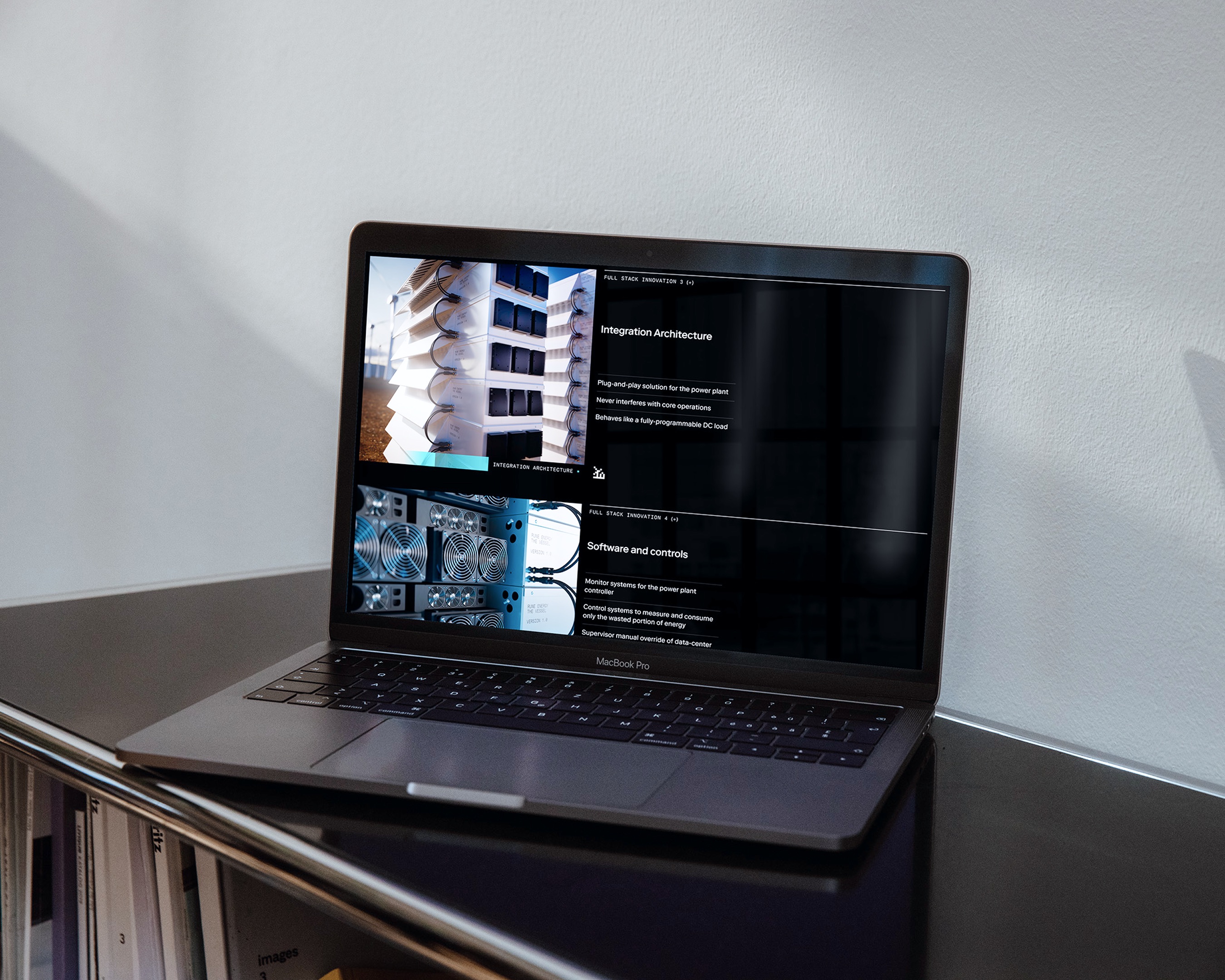
Technical founders tend to treat those as two separate budgets. The product is engineering and the website is marketing, so the product gets the obsessive design reviews and the site gets a template and a deadline. The people evaluating you don't see two budgets though. They see one company, and when the website looks careless they don't give you the benefit of the doubt on the hardware.
If you'd never ship a unit with a misaligned panel, don't ship a homepage with one.
The engineer is the real audience
A founder who's about to raise said something on a call recently that stuck with me.
VCs can smell when you're catering to them. Engineers can smell when you're bullshitting them.
Everyone in his category is about to raise too, and when you're staring down ten investor meetings the obvious move is to build the brand and website for investors. Most companies at that stage do, and it's a big part of why so many of those brands end up looking the same. We're building his for the engineers who'd actually use the product.
A VC who doesn't know the space isn't going to evaluate the tech. They're going to forward the link to someone who does and ask if it's credible. That engineer is the audience, not the person writing the checks.
Most positioning work optimizes for the person holding the money instead of the person whose opinion the money listens to.
How easy the mistake is
Rune shows how easy it would be to get this wrong. Their unit, The Vessel, sits behind the inverter at a solar plant and runs straight off the DC bus, with no AC grid connection at all.
Ask an AI tool for a data center at a solar farm and you'll get a building and a row of transformers tied into the grid, which is the exact infrastructure Rune was built to work without. An engineer would notice within seconds.
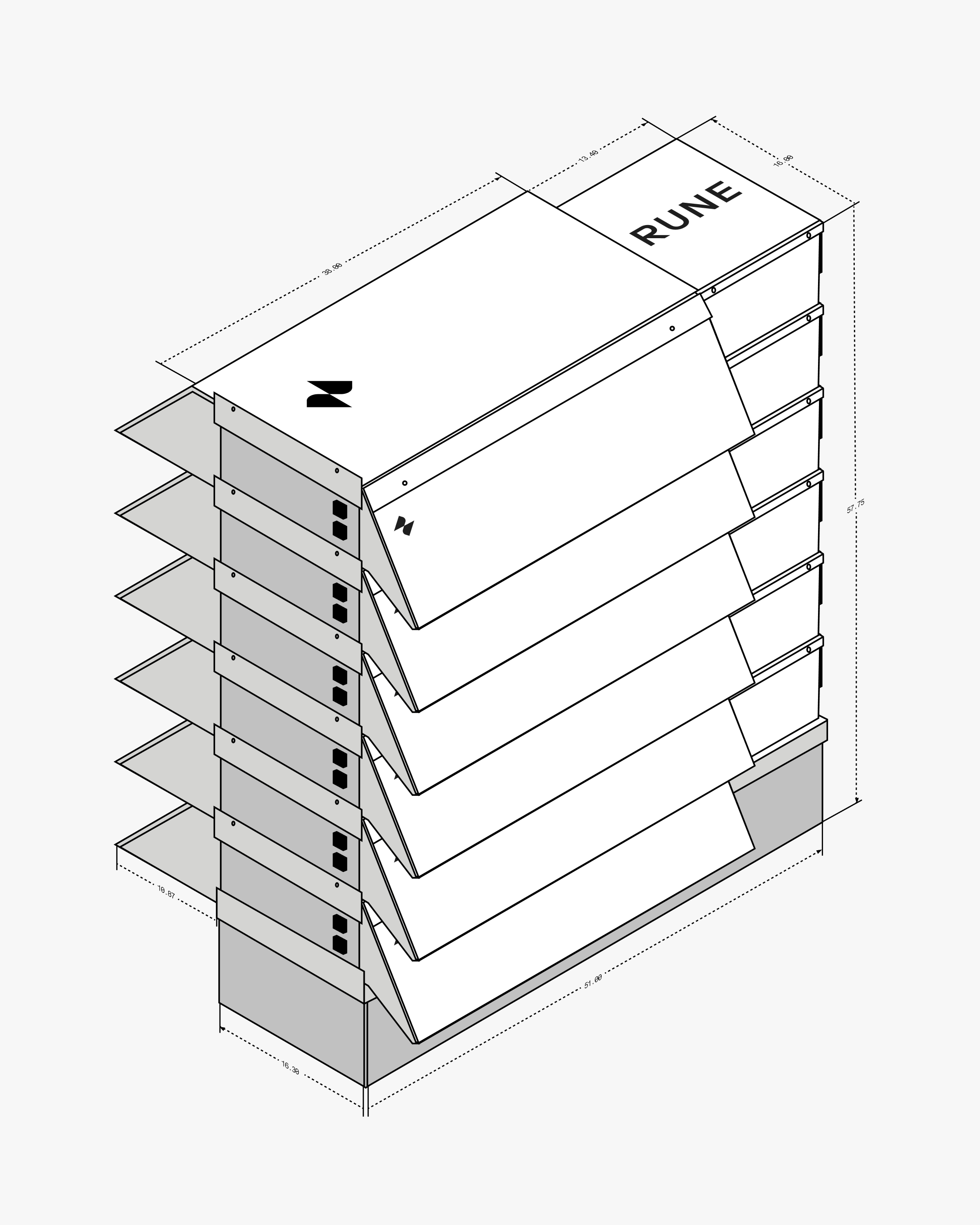
A software company can get away with abstract shapes and a UI mockup. When you're selling power infrastructure, your buyers have spent their careers looking at the real thing, and a hallucinated detail tells them you either don't have a product or don't know it well enough to show it.
Where AI images give themselves away
AI tools guess at how things work, and engineers can see the guessing. These are the tells we see most often:
- Parts that go nowhere, like pipes that end in midair, cables that merge into walls and bolts on surfaces that don't need them.
- Melted text on labels, nameplates and signs that looks like writing until you try to read it.
- Everything too clean, with no dust, weathering or scuffs. Real sites are never this tidy.
- Symmetry where it shouldn't be, with every panel, valve and vent mirrored like a pattern instead of a machine.
- Generic hardware that looks like a blend of five brands and matches none of them, including yours.
- Strange people, with the wrong PPE, hard hats on backward and nobody actually doing a task.
AI can still help with mood and backgrounds. If your actual product is in the frame though, it has to be right.
Photos, renders or drawings
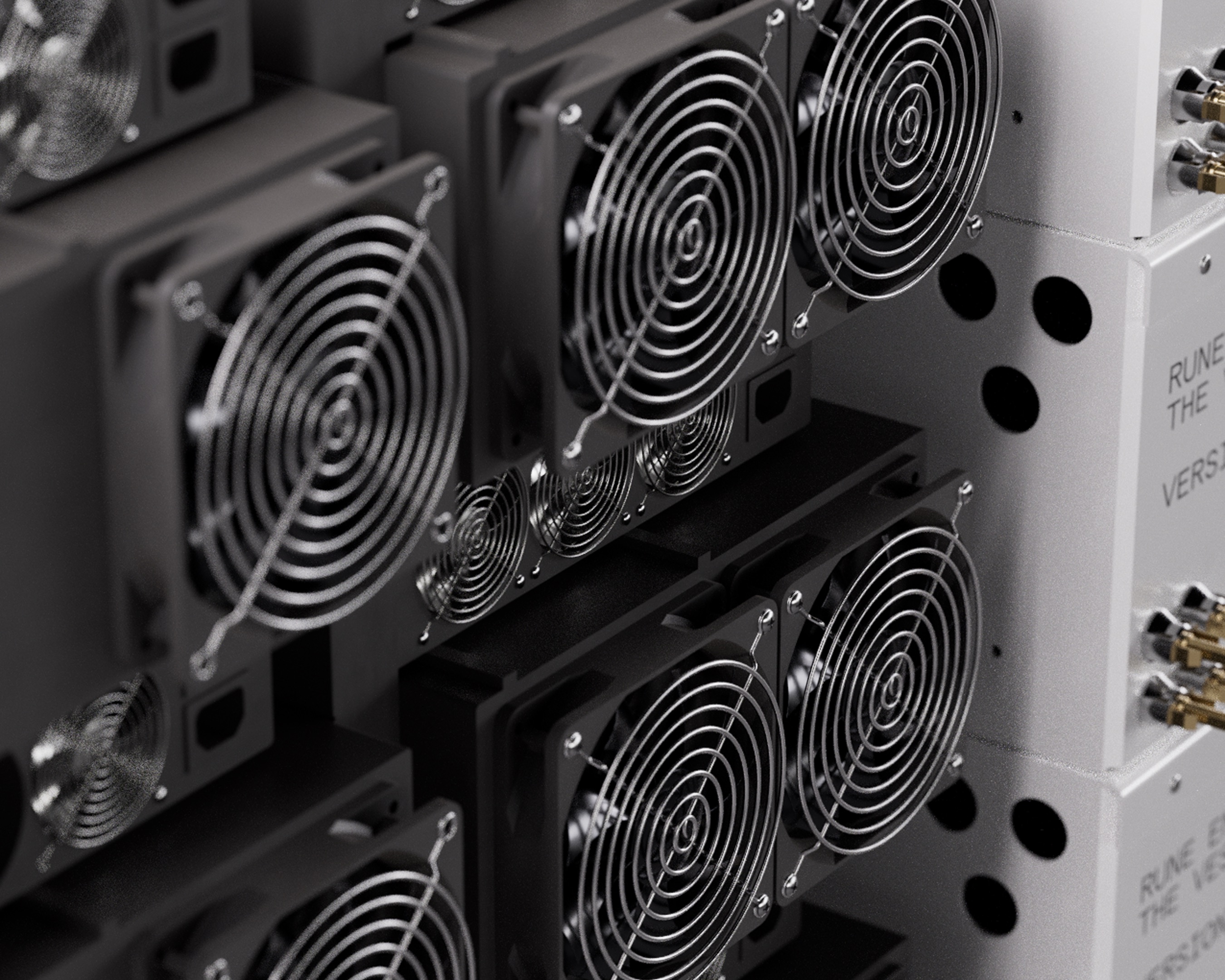
Use real photos to prove you're real, and use renders to show what a camera can't. A real field photo builds trust, and an accurate render next to it explains what's happening inside the machine. Just don't let a render pretend to be a photo, because a buyer who finds out the site was never real will trust you less than if you'd shown nothing at all.
If you haven't built it yet, don't fake the photo. Bring your engineering to the front instead, with CAD, site plans, electrical drawings and renders built from them, because all of that comes from the people actually building the thing. Then have someone on your engineering team sign off before anything ships.
A 15-minute check
Open your homepage and your top two product pages and ask these questions about every image:
- Is this our actual product, or something close enough that a buyer would assume it is?
- Is it connected to something real, like cabling, conduit, a pad, a road or a foundation?
- Is the scale right next to people and other equipment?
- Could someone actually install and service it the way it's shown?
- Is the safety gear, fencing and signage right for this kind of site?
- Is any text in the image readable and correct?
- Does it look like a real place, with some wear and dirt on it?
- If it's a render, did someone on our engineering team sign off on it?
- If it's a photo, is it ours or stock someone else could also be using?
Anything that fails two or more of these is worth replacing first. Start with the hero, since it's the one every buyer sees.
Engineers don't need a stunning image. They need real hardware, true to form.
You don't get to skip the impression they get of your site. You only get to decide whether they find something worth vouching for.